
%201%20(5).svg)

How to Choose a Clothes Dryer for Your Home
Choosing the right clothes dryer can make laundry routines more convenient, especially during wet weather, cooler seasons, or in homes with limited outdoor drying space. With several dryer types and feature options available, it helps to focus on the factors that best match your household size, laundry habits, and available space.
From capacity and drying programs to energy efficiency and ventilation needs, understanding the key differences can make it easier to choose a dryer that suits your home.
This guide explains what to consider when selecting a clothes dryer for Australian households.
Start with the Right Dryer Type
One of the first decisions is choosing the type of dryer. The most common options are vented dryers, condenser dryers, and heat pump dryers.
Each type works differently and may suit different home layouts or laundry needs
Understanding how each type operates can help narrow down the most suitable option for your space.
Vented Dryers
Vented dryers are common in many homes and use heated air to dry clothing while expelling moisture through ventilation.
They may suit homes where:
- The laundry area has strong airflow
- Windows or ventilation are available
- Quick access to drying is preferred
Because warm, moist air is released during operation, placement and room ventilation are important considerations.
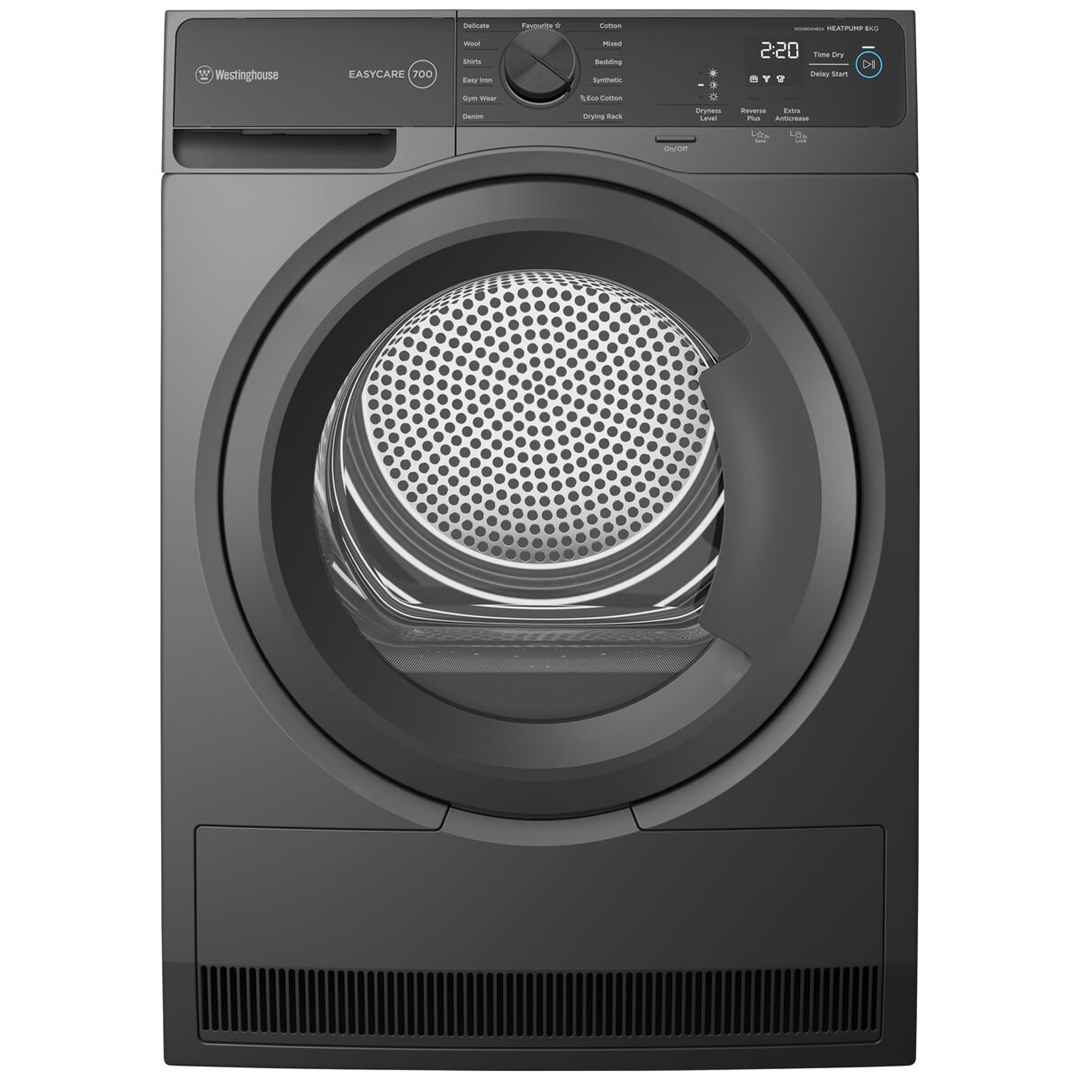
Heat Pump Dryers
Heat pump dryers use lower-temperature drying technology and recycle warm air during the cycle. Many households consider them when energy efficiency is a priority.
Common features may include:
- Lower operating temperatures
- Gentler drying for many fabrics
- Stronger energy efficiency on many models
- No need for external wall venting in many cases
Cycle times can vary depending on the load and program selected.
Condenser Dryers
Condenser dryers remove moisture from clothing and collect water in a removable tank or direct drainage system.
They may suit homes where:
- External venting is less practical
- Laundry rooms are enclosed
- Flexible placement is preferred
Regular emptying of the water container may be required unless connected to drainage.
Choose the Right Capacity
Dryer capacity is usually measured in kilograms and refers to the amount of dry laundry the machine is designed to handle.
Choosing a suitable size can help improve efficiency and everyday convenience.
Larger households may benefit from extra capacity for towels, bedding, and school uniforms, while smaller households may prefer a compact option.
It can also be useful to match dryer capacity with your washing machine size.
Consider Available Space
Before choosing a dryer, measure the intended laundry area carefully.
Check for:
- Width, height, and depth of available space
- Door opening clearance
- Ventilation room around the unit
- Access to power outlets
- Pathways through doors or hallways for installation
For apartments or compact homes, smaller or stackable dryers may suit the available layout.
Wall-mounted options are also used in some Australian laundries where floor space is limited.
Look at Drying Programs
Modern dryers often include a variety of settings for different clothing types and household needs.
Useful programs may include:
- Every day mixed load cycle
- Delicates cycle
- Towels or heavy items setting
- Quick dry program
- Bedding cycle
- Low heat option
- Refresh or airing cycle
Having practical settings can make clothing care easier and support better results across different fabrics.
Sensor Drying Features
Many newer dryers include sensor drying technology. This feature monitors moisture levels and can end the cycle when clothing reaches the selected dryness level.
Potential benefits include:
- Reduced over-drying
- Better fabric care
- Improved convenience
- More efficient energy use in some cases
This can be particularly helpful for busy households wanting a more automated laundry routine.
Energy Efficiency Matters
Dryers can vary significantly in electricity use depending on the type, size, and technology used.
In Australia, eligible appliances may display official Energy Rating Labels. These labels are designed to help households compare energy efficiency between similar products.
Labels commonly include:
- Star rating
- Estimated annual energy consumption
- Brand and model details
Higher star ratings generally indicate stronger energy efficiency under standard testing conditions.
When comparing dryers, it is often most useful to compare models of similar capacity and type.
Drying Time Considerations
Drying speed can vary based on:
- Dryer type
- Load size
- Fabric thickness
- Spin speed from the washing machine
- Selected program
For example, clothing that has been spun thoroughly in the washing machine may dry faster because less moisture remains.
Lighter loads may also complete more quickly than heavy towels or bedding.
Fabric Care and Temperature Control
Different fabrics respond differently to heat. A dryer with multiple temperature settings can be useful for managing a wider range of clothing types.
Look for options such as:
- Low heat for delicate fabrics
- Medium heat for mixed clothing
- Higher heat for towels or heavier items
Always checking garment care labels can help protect clothing and maintain fabric quality.
Noise Levels
If the laundry area is close to bedrooms, kitchens, or living spaces, noise may be worth considering.
Some models are designed for quieter operation, which may be useful in:
- Apartments
- Open-plan homes
- Evening laundry routines
- Shared living spaces
Checking product specifications may provide guidance on noise output where available.
Ventilation and Moisture Management
Good airflow is important for dryers, particularly vented models.
To support performance:
- Keep vents clear
- Avoid blocking air intakes
- Maintain space around the appliance
- Follow installation instructions
Poor ventilation may affect drying performance and room comfort.
For enclosed laundry spaces, condenser or heat pump models may be considered depending on layout and household needs.
Easy Maintenance Features
Regular maintenance can help a dryer perform well over time.
Helpful habits include:
- Cleaning the lint filter after each load
- Emptying the condenser water tank where applicable
- Wiping door seals occasionally
- Checking vents for lint build-up
- Following manufacturer care instructions
Simple upkeep can support airflow, drying performance, and general appliance care.
Seasonal Considerations in Australia
Australian weather can vary widely by region and season. During wetter months or cooler periods, dryers may be used more frequently.
A suitable dryer can be particularly useful when:
- Outdoor clotheslines are less practical
- Humid weather slows indoor drying
- Bedding and towels need faster turnaround
- Household laundry volumes increase
Considering likely seasonal use may help when choosing size and features.
Final Thoughts
Choosing a clothes dryer for your home comes down to balancing dryer type, capacity, energy efficiency, and available space. By considering how often you dry clothes, the size of your household, and the layout of your laundry area, you can select a dryer that suits your everyday routine.
Features such as sensor drying, multiple programs, and official Energy Rating Labels can also help when comparing options.
Browse our range of clothes dryers at Orange Rentals to explore options suited to different homes and laundry setups.
%201.svg)


%201%20(2).svg)
%201%20(1).svg)
%201.svg)
%201.svg)